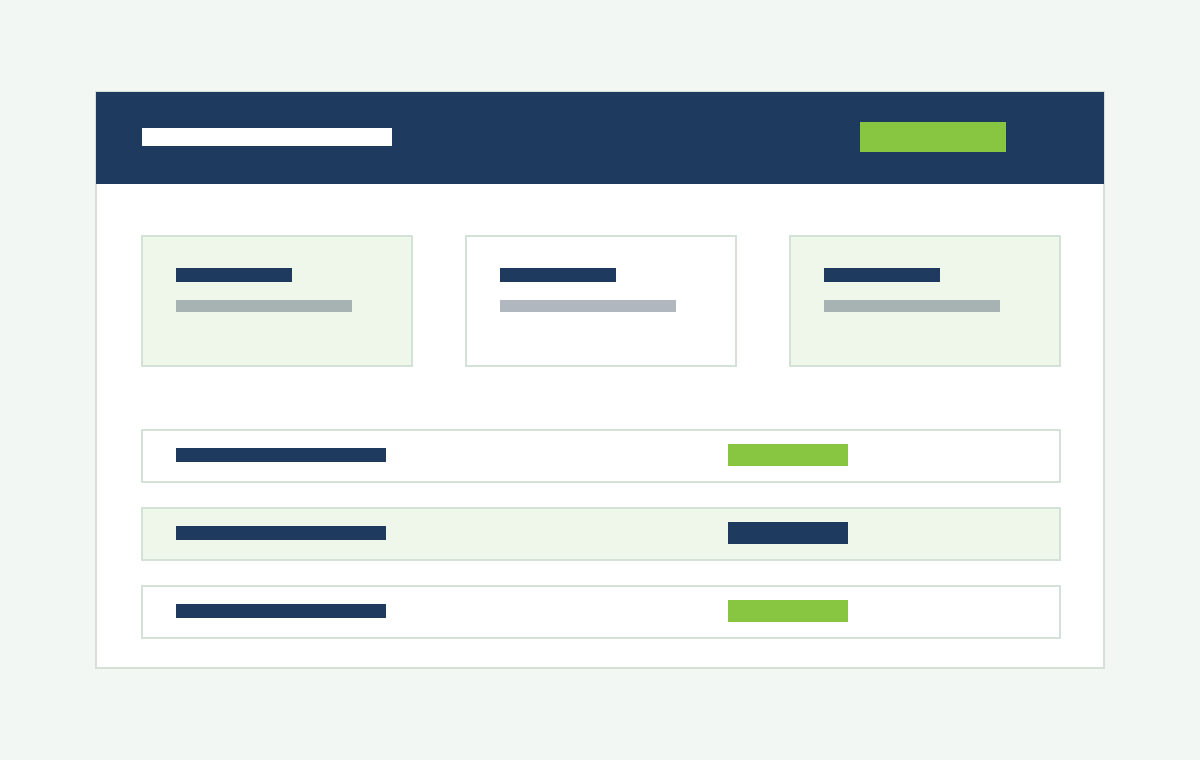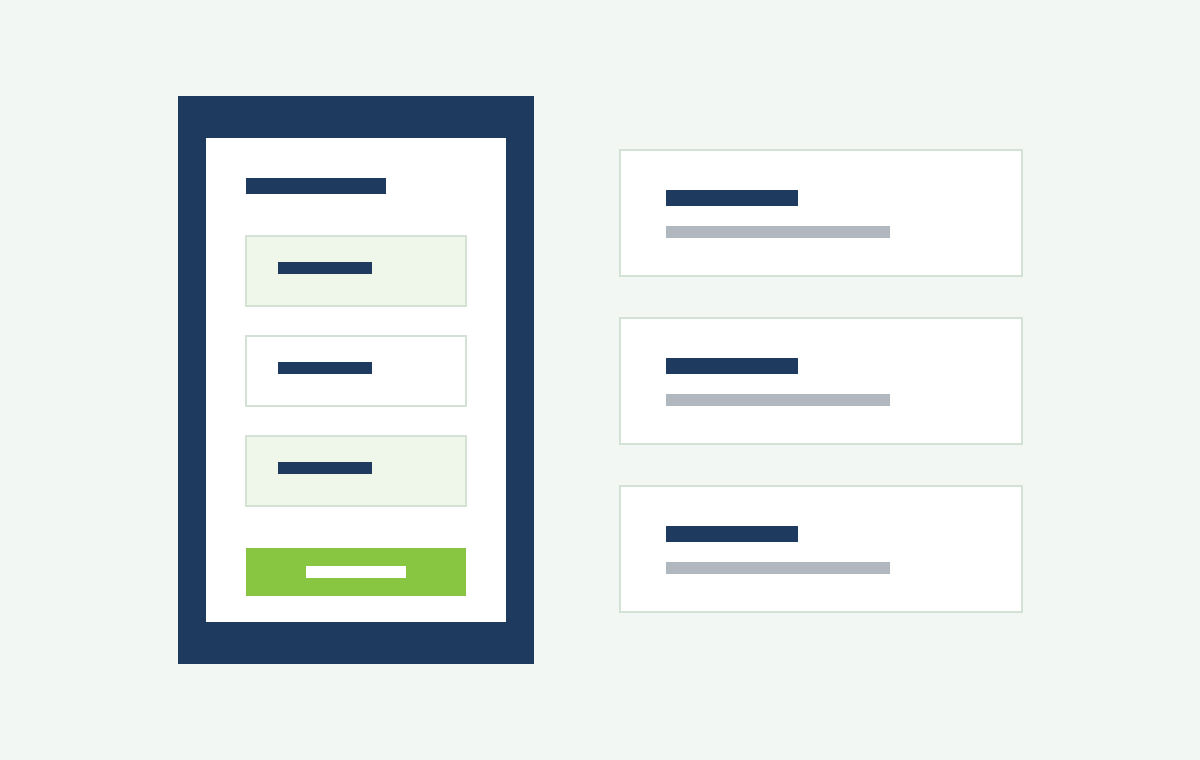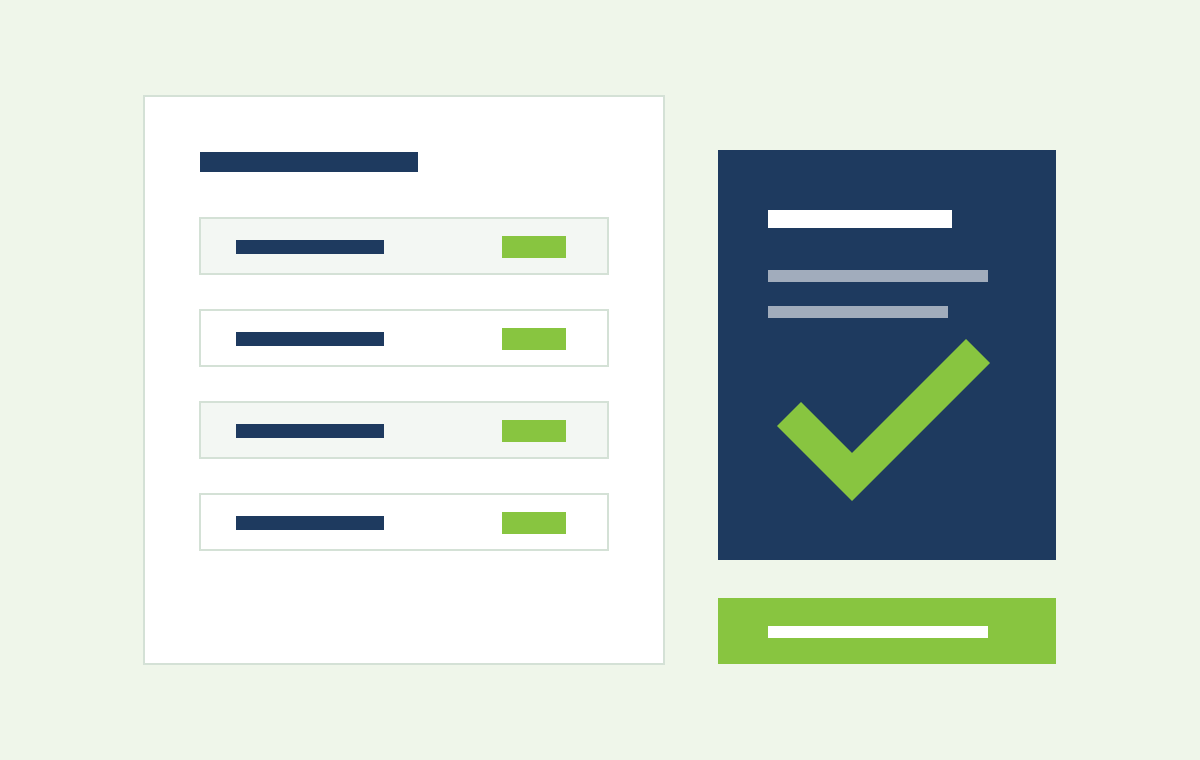
Compliant onboarding is not just paperwork. It is the controlled path from offer acceptance to first shift readiness. When that path is unclear, managers rely on memory, paper folders, and last-minute checks.
A structured workflow helps teams reduce missed documents, inconsistent training, and compliance gaps.
1. Digital offer and acceptance
Onboarding starts when the role is agreed. A digital offer record gives managers a clear view of role, location, pay structure, start date, and acceptance status.
2. Employee checklist activation
Once the offer is accepted, the onboarding checklist should begin automatically. This checklist can include identity documents, right-to-work checks, bank details, tax forms, contracts, policy acknowledgements, and role-specific requirements.
3. Policy acknowledgement and signatures
Policies are only useful if staff receive, read, and acknowledge the correct version. Digital acknowledgements and e-signatures make it easier to prove what was accepted and when.
4. Role-based training assignment
Training should match the role. A front-of-house employee, care worker, cleaner, warehouse operative, or supervisor may need different modules before working independently.
Assigning training during onboarding helps managers prepare staff before the first shift.
5. Compliance review before scheduling
Before assigning shifts, managers should know whether the employee has completed the required documents and training. This creates a cleaner link between onboarding, compliance, and rota planning.
6. First shift and post-shift review
Once the employee is ready, they can be added to the rota. After the first shift, managers can capture feedback, attendance, punctuality, and any extra training needs.
Final thoughts
A compliant onboarding workflow reduces guesswork. It gives managers a clear process and helps staff start with confidence.
Alphanomic connects onboarding, documents, training, rota planning, attendance, and daily records so teams can keep the full journey in one place.