Restaurant hiring can look simple until paperwork slows everything down. A missing HMRC form, unsigned policy, incomplete training record, or misplaced right-to-work document can delay the first shift and create avoidable compliance risk.
Digital onboarding helps by turning those tasks into one clear workflow.
Paper creates delays before day one
Paper forms are easy to skip, misread, or lose. Managers have to check every field manually and follow up when something is missing. That takes time away from service, training, and day-to-day operations.
Digital checklists reduce missing steps
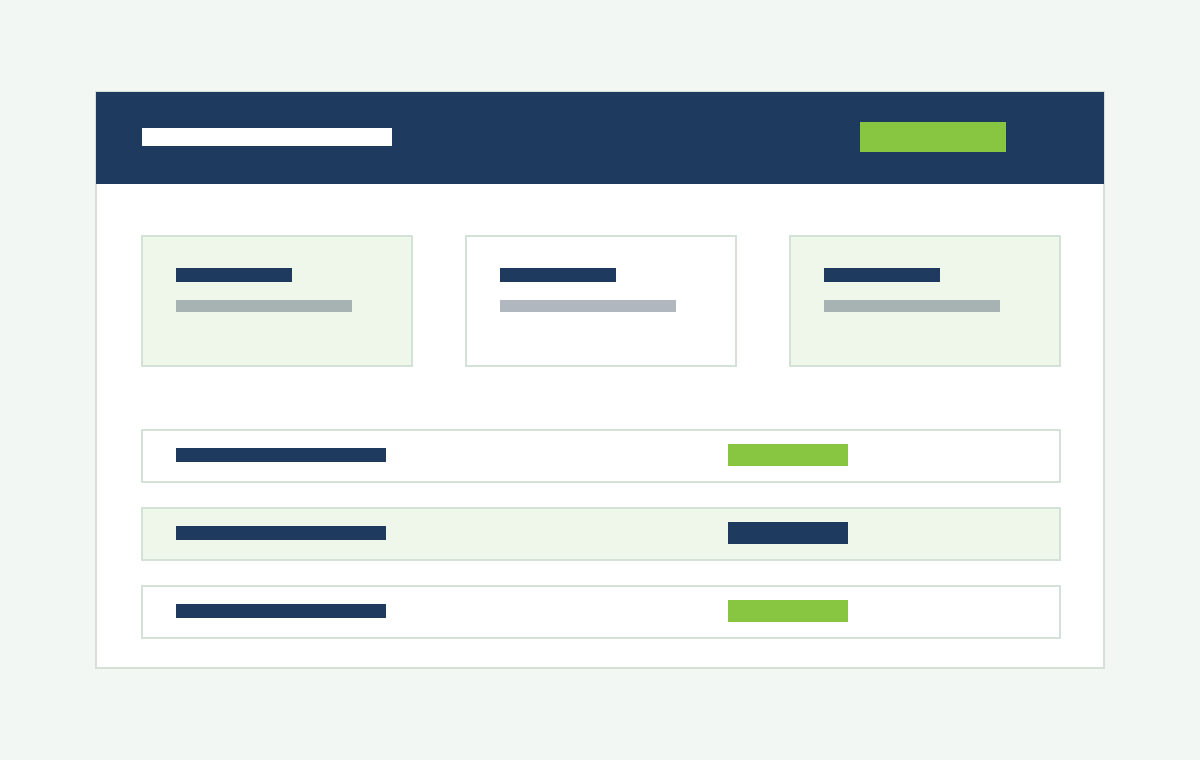
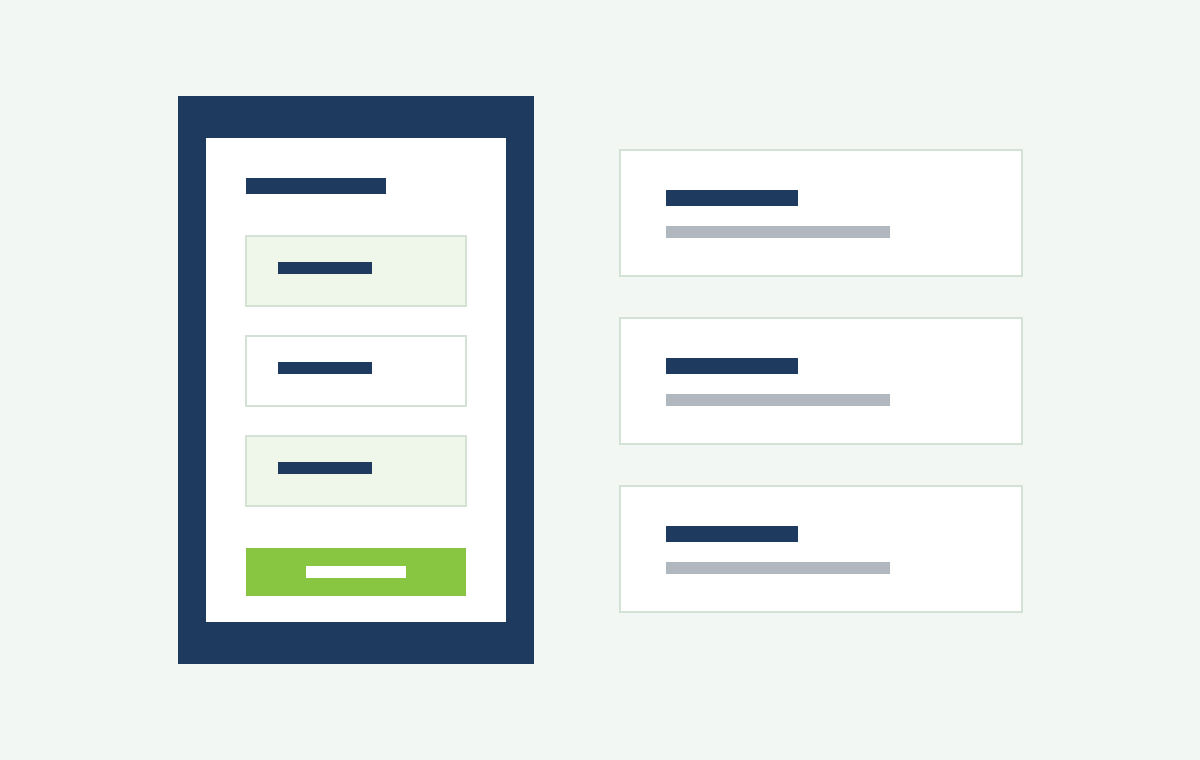
A digital employee onboarding checklist shows every required task in order. Staff know what to complete, and managers can see what is pending.
This reduces the chance that documents, policy acknowledgements, or training tasks are missed.
E-signatures improve proof
Contracts, policies, handbooks, and role documents can be signed digitally. A timestamped record is easier to retrieve than a paper form when a dispute, audit, or internal review happens.
Training becomes more consistent
Restaurants often train staff informally during busy shifts. Digital training materials and completion tracking help every new starter receive the same baseline information.
This is especially useful for food hygiene, allergens, health and safety, and customer service standards.
Managers spend less time chasing
Automated reminders and visible progress reduce repeated manual follow-up. HR and site managers can focus on getting staff ready instead of searching for paperwork.
Final thoughts
Digital onboarding is not about adding admin. It is about reducing friction and improving control. When documents, signatures, training, and progress tracking live in one workflow, teams can onboard faster without cutting corners.
Alphanomic helps UK teams manage onboarding, training, documents, rota planning, attendance, and mobile access in one connected platform.